



Automotive Vents

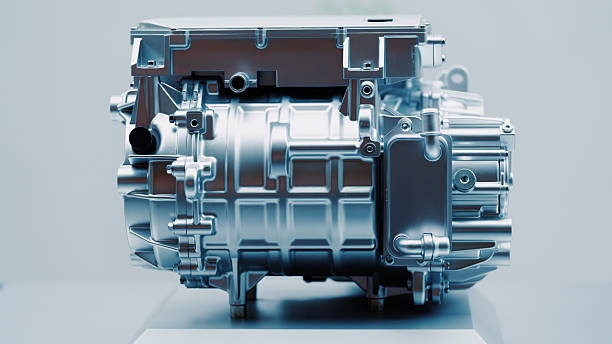
Applications: Automotive Lighting, Electronic Control Units (ECUs), Interior Electronics, Powertrain Systems, Sensors, Autonomous Driving, Motors, New Energy Vehicles

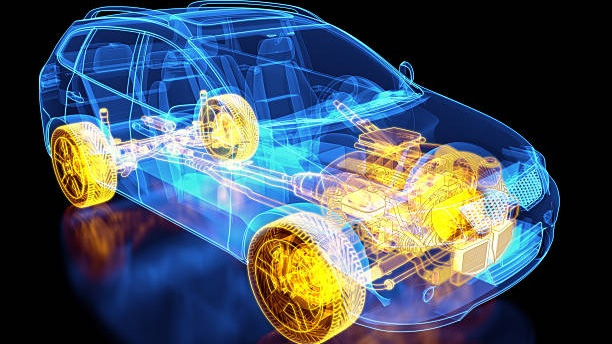
The automotive industry is a key pillar of the global economy and a major driver of technological advancement. With a long and extensive industrial chain, it plays a vital role in major economies such as Germany, Japan, the United States, and China.

Today, the industry is undergoing profound transformation. On one side, sustainable development and diversified energy needs are pushing power systems toward pure electric, hybrid, and hydrogen solutions. On the other, smart driving technologies — including big data, AI, and connected vehicles — are reshaping future mobility.

Leveraging years of ePTFE membrane R&D and production expertise, Spider has deeply focused on the automotive sector. We provide complete waterproof and venting solutions for various automotive parts and have become a trusted supplier to many major automakers.

In response to the rise of autonomous driving and new energy vehicles, Spider has built a dedicated professional team. We work closely with industry partners to develop high-reliability waterproof venting products that are now widely adopted by leading automotive manufacturers.

Automotive lamps (Headlamp, Rear Lamp, Fog Lamp, Turn Signal Lamp, Grille Lamp, Interior Lamp, License Plate Lamp, etc.) serve both functional and decorative purposes. Their complex designs make them prone to visible failures, with lamp fogging and insufficient brightness being the two most common issues — largely due to poor ventilation, humidity, and rapid temperature/pressure changes.

Spider Venting Solutions effectively address these challenges with reliable waterproof and breathable performance.

Key Functions:

  1. Moisture Permeability — Allows internal moisture to escape efficiently, preventing fogging and condensation.
  2. Pressure Balancing — Quickly equalizes pressure differentials to protect seals and prevent water ingress.
  3. Heat Dissipation — Promotes ventilation to avoid overheating, maintain brightness, and extend lamp life.

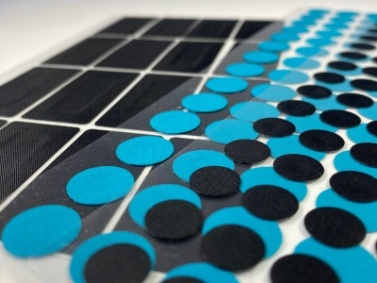
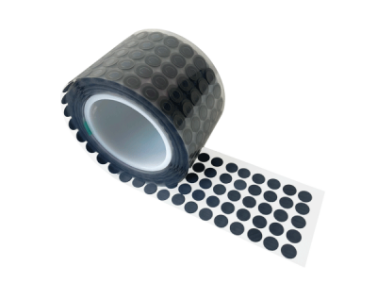
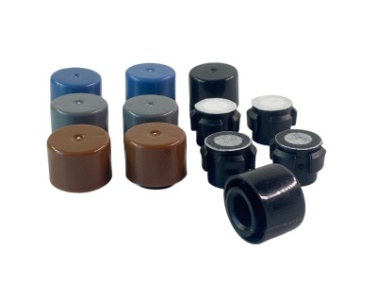
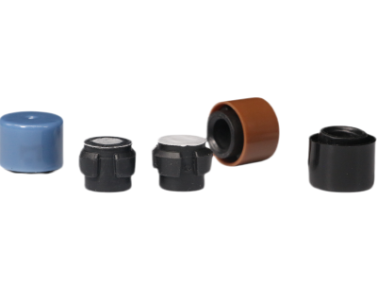
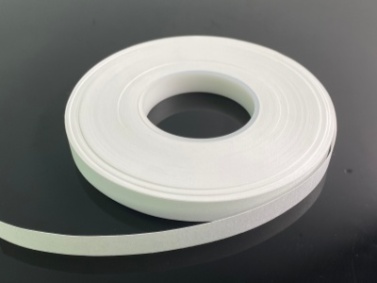
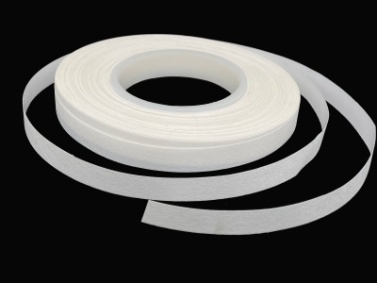
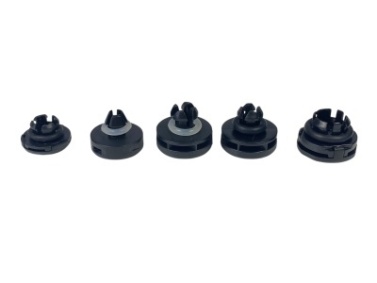
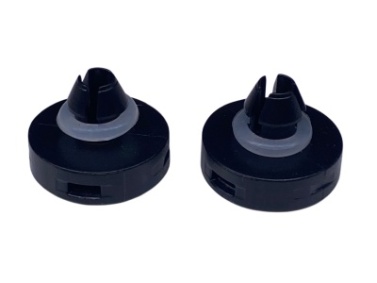
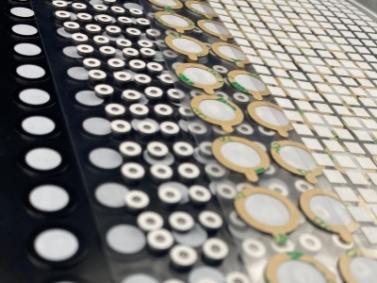
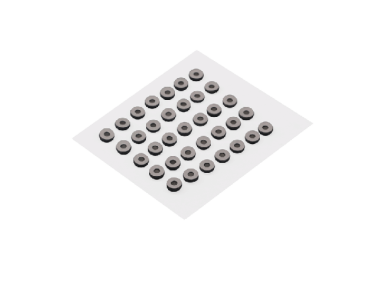
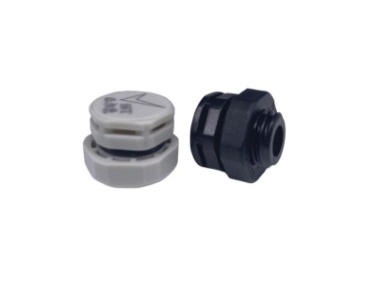
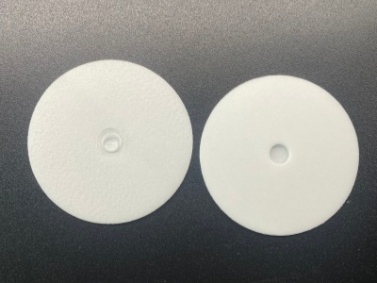
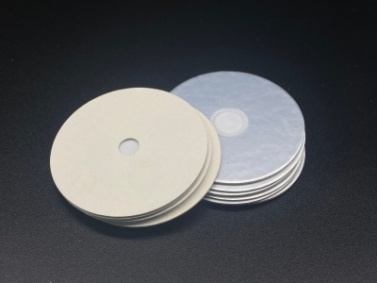
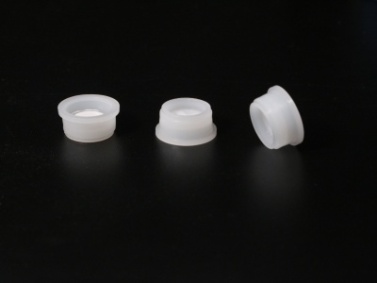
Spider’s Adhesive Vent Membrane and Vent Cap, made with high-performance ePTFE, deliver excellent IP67/IP68 waterproof, dustproof, and breathable properties. They significantly reduce fogging, prolong lifespan, improve lighting performance, and lower maintenance costs.

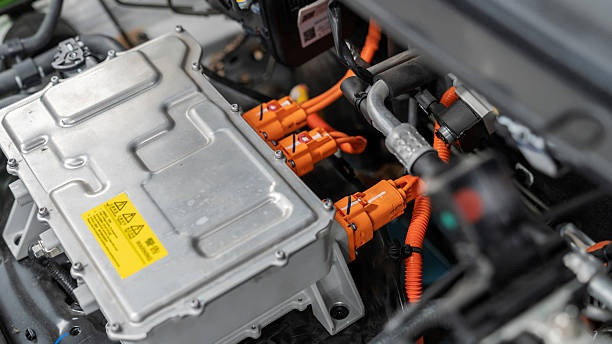
Engine Controller, Oil Pump Controller, ABS Controller, Electronic Controller, etc.

The ECU is the brain of the vehicle and plays a critical role in overall performance and safety. Similar to ordinary computers, an ECU consists of a microprocessor (CPU), memory (ROM, RAM), input/output interfaces (I/O), analog-to-digital converters (A/D), shaping circuits, drivers, and other large-scale integrated circuits. Any failure of the vehicle controller can lead to serious consequences.

For ECUs, product reliability is the highest priority, and venting products are essential. ECUs are often located near the engine, where they experience violent temperature fluctuations and generate significant heat during operation. This creates major risks:

  • Local heat concentration causing overheating and ECU failure.
  • Rapid temperature changes creating internal pressure that damages seals and allows external pollutants to enter.
  • Dust and particles penetrating the housing, reducing performance and shortening service life.

Spider Venting Solutions effectively address these challenges. They provide excellent heat dissipation to prevent excessive local temperature rise, while their superior breathable performance rapidly equalizes pressure caused by temperature changes, helping the ECU maintain reliable long-term operation.

In addition, Spider has developed high-temperature resistant venting products that maintain excellent waterproof and breathable performance even in prolonged high-temperature environments. The Snap-fit Vent can operate continuously at 150°C, while the Weldable Vent Membrane can withstand up to 250°C.

Navigation System, Infotainment System, Telematic Control Units, etc.

Compared to the harsh external environment, the vehicle interior appears relatively mild. However, with the rapid development of intelligent cabins, autonomous driving, and connected vehicles, the number and precision of in-vehicle electronic devices continue to increase. Voice interaction systems now incorporate more microphones and speakers. Any failure of these components can lead to serious consequences, making effective protection essential.

Different audio and electronic components have varying protection requirements. For example, the main control panel requires pressure-balancing vents, while speakers need acoustic vents that allow sound transmission. The rear cover often requires waterproof acoustic vents. Installing high-performance venting products is an economical and effective way to significantly improve the reliability of interior electronic equipment.

Long-term operation of in-vehicle electronics faces the following key risks:

  • Dust accumulation and ingress into the housing, causing equipment failure.
  • Temperature fluctuations creating internal pressure that damages seals and weakens overall protection.

Spider Waterproof and Breathable Solutions not only ensure excellent product performance but also provide outstanding long-term stability, giving customers peace of mind.

Gearbox, SCR, Urea Dosing Pump, Front-Wheel Drive Module, Rear-Wheel Drive Module, EPS, etc.

The powertrain system is responsible for generating and transmitting power to the wheels. It contains some of the most critical vehicle technologies and directly determines the vehicle’s mobility, economy, and environmental performance.

Most powertrain components are mounted on the vehicle chassis and are directly exposed to the external environment. During daily driving, rainy conditions, or wading, these components face rapid changes in water pressure, temperature, and air pressure.

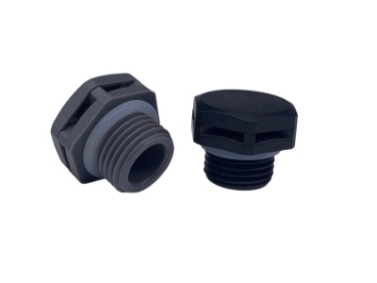
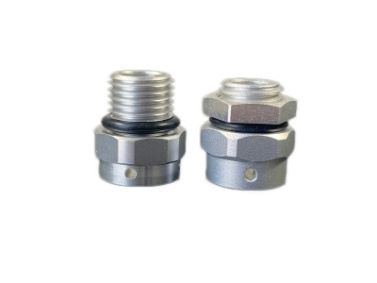
Spider Venting Solutions — including Snap-fit Vent, Screw-in Vent, and Weldable Membrane — offer excellent pressure resistance. They enable chassis components to withstand strong water pressure impact during immersion while providing superior airflow to quickly balance internal and external pressure differences caused by environmental changes. This effectively prevents leakage and protects sensitive components.

Power Battery Pack, Battery Controller, Drive Motor, Motor Controller, Reduction Gearbox, DCDC, OBC, Vehicle Controller, Thermal Management System, 48V Battery Pack, Inverter, PCU, Generator, etc.

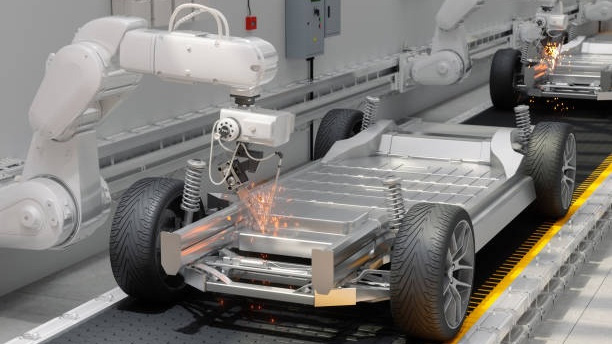
New energy vehicles (pure electric, hybrid, plug-in hybrid, and 48V mild hybrid) have significantly more electronic components on the chassis than traditional vehicles. Ensuring the long-term stability and reliability of these high-value systems — such as battery packs, drive motors, motor controllers, and vehicle controllers — is a major challenge.

Drive Motor & Motor Controller High-power drive motors generate substantial heat, while internal gear movement causes frequent pressure changes. They are also exposed to oil vapor, dust, and liquids. Spider’s Snap-fit Vent provides high protection rating and large air permeability, effectively balancing pressure, dissipating heat, and preventing ingress of contaminants.

Power Battery Pack As the core and most valuable component of new energy vehicles, the battery pack is mounted on the chassis and heavily influenced by the environment. It requires high air permeability due to its large internal volume, along with strong chemical corrosion resistance. Spider’s ePTFE membrane solutions offer:

  • Multiple product forms for greater design flexibility
  • Large air permeability to improve efficiency and reduce overall cost
  • Excellent consistency for superior product stability

Vehicle Controller & Other Control Units These precision controllers manage coordination across subsystems. They face daily heating and complex oil vapor environments. Spider’s venting products enhance safety and reliability by:

  • Rapid pressure balancing to reduce component stress and extend service life
  • High protection rating against dust and pollutants
  • Excellent oil resistance to maintain long-term breathability
  • Moisture permeability and chemical/high-temperature resistance to prevent corrosion

Spider Venting Solutions provide reliable waterproof, dustproof, and breathable performance, helping new energy vehicle manufacturers ensure the safety and durability of critical power electronics and battery systems.

Position Sensor, Temperature and Humidity Sensor, Oxygen Sensor, etc.

Modern vehicles use over 100 types of sensors to monitor displacement, force, speed, temperature, flow, gas composition, and more. These sensors are installed throughout the vehicle — in the suspension system, interior, exterior, and engine compartment. Sensor failure can lead to serious consequences, making stable and reliable operation critical to vehicle safety and performance.

To ensure reliable sensor performance under harsh conditions, waterproof, dustproof, high-temperature resistant, and rapid pressure-equalizing capabilities are essential. High-performance waterproof venting products are therefore a key protective solution.

Different sensors have unique protection requirements:

  • Temperature and Humidity Sensors need venting products that maintain sensitivity in high-humidity and high-temperature environments.
  • Gas Sensors require careful selection of membrane materials, adhesive layers, and substrates to avoid affecting sensitivity.
  • Flow Sensors demand minimal interference with target gas flux from the venting membrane.

Spider has extensive practical experience helping customers select the most suitable breathable solutions. For example, Spider’s high-temperature resistant venting membranes combined with high-temperature adhesives ensure long-term stable operation in demanding environments. With a wide range of membrane types available, Spider can adapt to diverse sensor application scenarios.

Millimeter Wave Radar, Ultrasonic Radar, On-board Camera, Lidar, Autonomous Driving Controller, etc.

Autonomous driving hardware is mainly divided into perception, decision-making & control, and execution systems. Perception equipment — including Lidar, vehicle cameras, millimeter wave radar, ultrasonic radar, and more — serves as the “eyes” of the vehicle, providing critical environmental data.

Safety is the top priority for both consumers and automakers in autonomous driving technology. While algorithms and big data improve decision-making accuracy, the quality and reliability of raw data from sensing equipment are fundamental. Any failure or inaccuracy in perception hardware can have catastrophic consequences.

Sensing equipment often operates in complex and harsh environments. High-performance venting products are essential to improve stability and reliability. For example:

  • Millimeter Wave Radar is highly sensitive to environmental changes and must pass stringent tests (e.g., over 1000 thermal shock cycles or 1200 hours of high-temperature testing).
  • On-board Cameras require venting products that provide anti-fogging, pressure equalization, and custom designs to fit compact housings.

Spider brings rich application experience in autonomous driving systems, helping ensure the long-term reliability of these critical sensing devices through advanced waterproof and breathable solutions.

Wiper Motor, Swing Window Motor, Cooling Motor, Starter Motor, etc.

Small motors are essential components that enable many vehicle functions, such as wipers, power windows, cooling systems, and engine starting.

These motors are often exposed to rain, dust, and harsh environmental conditions. Water ingress can cause circuit failure and motor shutdown, while dust entry may lead to abnormal noise and reduced performance.

Spider Venting Solutions effectively protect these motors with reliable waterproof and dustproof performance. They keep the interior dry and clean during wading, heavy rain, or car washing, ensuring continuous and stable operation.

Spider offers a variety of high-performance venting products:

  • Weldable Vent — excellent consistency and high water-pressure resistance, ideal for demanding motor applications.
  • Adhesive Vent — adapts to various surfaces and is easy to install.
  • Snap-fit Vent — offers good fault tolerance and stable long-term performance.

Multiple installation methods (snap-fit, weldable, adhesive, etc.) are available to meet different customer design requirements.

IP68 waterproof outdoor vents for electronic enclosures and harsh environments

Outdoor Electronics Vents

Applications: Outdoor Lighting, Security Cameras, Communication Base Stations, Photovoltaic Inverters, Small Household Appliances, Sensors, Intelligent Electric Bicycles

Outdoor electronic products form a major segment of the outdoor market. They are well-established in developed countries and offer strong growth potential in developing regions.

These products — including outdoor lamps, security cameras, communication base stations, solar inverters, sensors, and more — are used in everything from household appliances and electric bicycles to specialized equipment. Exposed to harsh outdoor conditions like dust, rain, temperature changes, and pressure, they often face seal failures and component damage.

Waterproofing, dustproofing, venting, and pressure equalization have therefore become critical priorities for R&D teams.

As a leading global provider of waterproof and venting solutions, Spider offers rich experience and customized protection for outdoor electronic devices. Our solutions effectively extend product lifespan and improve reliability, with flexible installation methods including adhesive, welding, screw-in, and snap-fit to meet various customer needs.

Acoustic vents for portable electronics, sound transparent waterproof protection

Portable Electronics Vents

Applications: Waterproof Mobile Phones, Smart Wearable Devices, MEMS Sensors, Walkie-Talkies, Scanners

With the rapid growth of 5G and integrated circuits, the consumer electronics market has grown strongly in recent years. New categories like wearables, sports cameras, and UAVs, along with upgrades to smartphones, speakers, and headphones, continue to drive demand.

These devices often experience sudden temperature and pressure changes (e.g., skiing, flying, or daily use), which can cause seal failures, condensation, and component damage.

Spider ePTFE waterproof venting products provide effective solutions by:

  • Balancing internal and external pressure to prevent condensation and seal aging
  • Dissipating moisture to avoid lens fogging
  • Protecting sensors and audio components while maintaining excellent sound quality
  • Delivering reliable waterproof and dustproof protection in harsh environments
IP68 waterproof outdoor vents for electronic enclosures and harsh environments
Outdoor industrial equipment include photovoltaic inverters, outdoor LED lighting fixtures, telecommunications base station equipment, heavy machinery electronic modules, surveillance cameras, chemical storage cabinets, office automation equipment, analytical instruments, optical application equipment, production facility control systems, information and communication modules, and road/railway-specific electronic equipment. These devices are exposed to extreme outdoor environments for extended periods, responsible for energy conversion, lighting, communication, monitoring, data acquisition, and control. They require extremely high standards for IP67+ waterproof and dustproof capabilities, resistance to temperature differences from -40°C to 85°C, corrosion resistance, vibration/shock resistance, long-term reliability, and condensation prevention. These components are among the most difficult to repair, have the highest downtime costs, and are highly susceptible to system failures, corrosion, or safety hazard complaints.
Common Faults:
Internal condensation/fogging/corrosion leading to short circuits or component failure
Pressure imbalance causing housing deformation or seal failure
Accumulation of moisture/corrosive gases causing performance degradation or odor
Main Functions of Breathable Products:
Moisture permeability and anti-condensation: Expels moisture, prevents condensation and corrosion, and keeps the interior dry.
Pressure balancing: Balances extreme temperature/pressure changes, preventing housing deformation and seal failure.
Dehumidification and protection: Combines electrolytic dehumidification and chemical filtration to block corrosive gases and protect precision electronic components.
Portable consumer electronics include mobile phones, wearable devices, TWS earphones, hearing aids, electric toothbrushes, water flossers, beauty devices, and shavers. These products have extremely high requirements for waterproofing and dustproofing (IP67/IP68), sweat and corrosion resistance, temperature variation resistance, and high reliability. They are the components that users directly contact and are most likely to experience malfunctions, making them highly susceptible to complaints about water damage, failure, or performance degradation.
Common Faults:
Internal condensation/corrosion leading to short circuits or component failure
Pressure imbalance causing shell deformation or seal failure
Water/sweat intrusion causing decreased sound transmission/waterproofing performance
Main Functions of Breathable Products:
Moisture permeability and anti-condensation: Expels moisture, preventing corrosion and fogging
Pressure balancing: Balances temperature/pressure differences, preventing deformation and seal failure
Waterproof and sound-permeable protection: Waterproof under high water pressure, maintaining clear audio
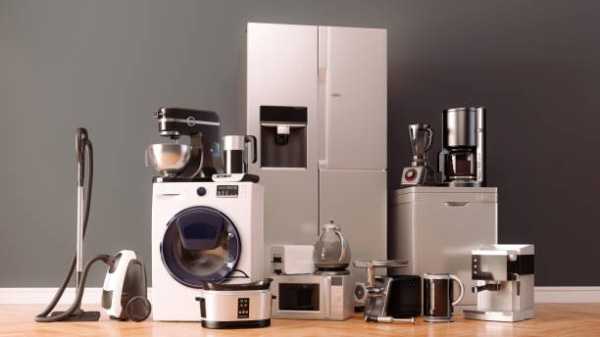
Home appliances and electronics include core electronic components such as refrigerators, washing machines, air conditioners, dishwashers, and dryers. These components are responsible for cooling/heating control, motor drive, sensor monitoring, and circuit protection. They have extremely high requirements for sealing against moisture and condensation, resistance to temperature changes (-20℃ to 60℃+), and long-term reliability. They are the components in home appliances where faults are easily detected and directly felt by users, and are highly prone to causing odors, corrosion, failures, or noise complaints.
Common Faults:
Internal condensation/fogging/corrosion leading to short circuits or component failure
Pressure imbalance causing casing deformation or sealing failure
Moisture accumulation causing odor growth or performance degradation
Main Functions of Breathable Products:
Moisture permeability and anti-condensation: Expels moisture, preventing condensation corrosion and fogging
Pressure balancing: Balances temperature/pressure changes, preventing deformation and sealing failure
Moisture protection: Keeps the interior dry, extending the life of electronic components

 Semiconductors

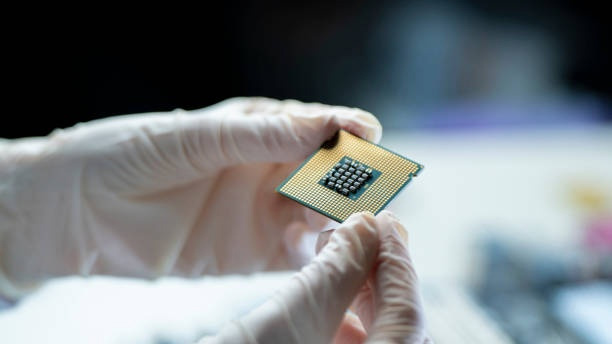
Semiconductor tools and support equipment go through fast temperature and pressure cycles. Sealed tanks, cabinets, and instrument housings trap gas or draw in moisture. That stress shows up as leaks, condensation, and unstable process fluids.

Spider ePTFE vents equalize pressure and block liquid splash. Where dissolved oxygen must be reduced in process water, degassing membranes remove DO before it reaches sensitive steps.


Photovoltaic cells and display panels (LCD, OLED) production have water quality and process media purity requirements close to the semiconductor industry to reduce defect rates and improve product consistency.

Process tools, chemical cabinets, and facility control boxes are sealed against splash and cleanroom protocol. Heat load and exhaust cycles still create pressure differentials that fatigue gaskets and pull moisture inward.

Common problems:

  • Condensation on sensors, boards, and optics
  • Seal stress from vacuum and overpressure cycles
  • Splash or cleaning liquid entering housings

What Spider protective vents do:

  1. Equalize internal and external pressure in tool and cabinet housings
  2. Block liquid and particles while allowing air to pass
  3. Help keep electronics and instruments dry during process and maintenance

Typical uses: wet-bench cabinets, chemical supply boxes, metrology and inspection tools, facility electrical cabinets, gas-detection and monitoring housings.

Dissolved oxygen in ultrapure and process water accelerates corrosion and can disturb downstream chemistry. Degassing membranes reduce DO in water and process fluids before they enter sensitive steps.

Common problems:

  • Oxygen corrosion in piping, pumps, and fittings
  • Unstable process chemistry from residual DO
  • Higher maintenance on water and chemical loops

What Spider degassing membranes do:

  1. Remove dissolved oxygen from process and ultrapure water loops
  2. Reduce oxygen-related corrosion in metal lines and equipment
  3. Support more stable wet-process conditions

Typical uses: process water loops, chemical make-up water, support systems around wet process and display/PV auxiliary lines.

Packaging Vents

Application: Industrial Chemicals, Agrochemicals, Household Chemicals

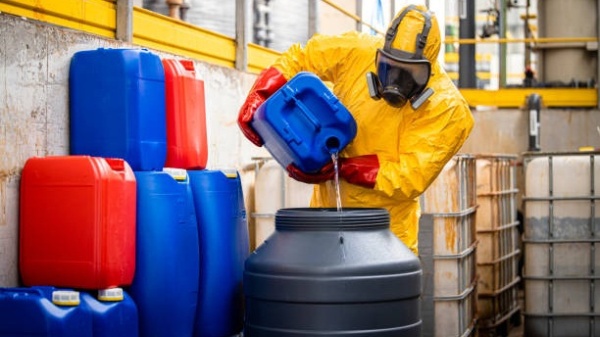
Packaging is used to protect products, facilitate storage and transportation, and promote sales. In the chemical industry, it is widely applied across various containers due to product diversity.

Many chemicals are flammable, explosive, toxic, or corrosive. Improper packaging can easily cause leaks, container deformation, safety accidents, environmental pollution, and economic losses during transportation.

To meet these challenges, the chemical packaging industry urgently needs advanced venting solutions. As a global venting solutions supplier, Spider offers high-performance vent plugs, vent gaskets, and welded breathable membranes, ideal for industrial chemicals and cleaners, agricultural applications (pesticides & fertilizers), household chemicals, and cleaners.

Key Features of Spider Venting Products:

  1. Effectively balances internal and external pressure to prevent bottle expansion or collapse.
  2. Excellent surfactant resistance, maintaining good airflow even with high-viscosity liquids.
  3. Prevents liquid leakage, ensuring user safety and environmental protection.

These venting solutions effectively solve pressure, leakage, and deformation issues caused by temperature and altitude changes, enhancing product safety, customer satisfaction, and brand reputation.

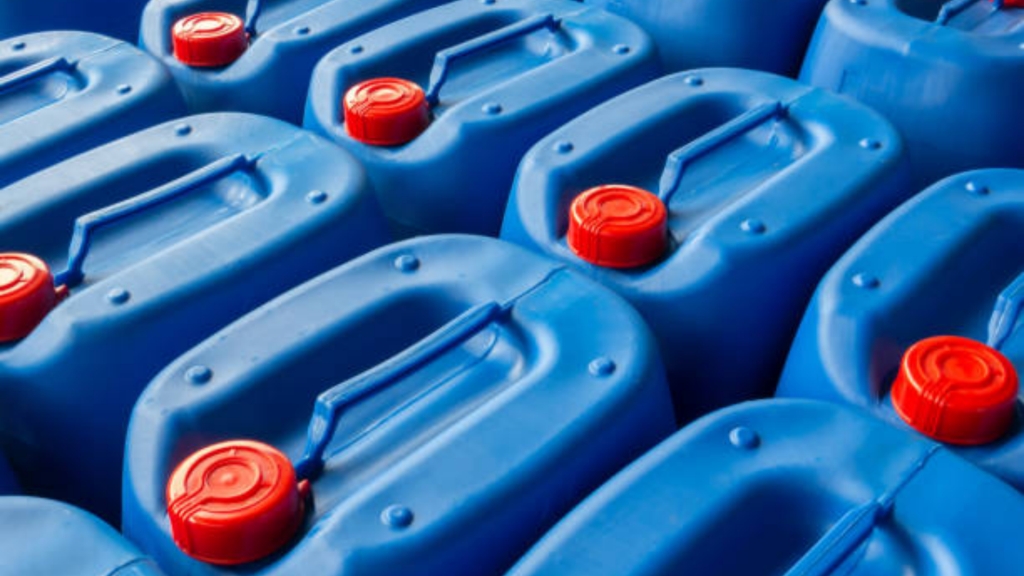
The active ingredients in many industrial chemicals — such as hydrogen peroxide, sodium hypochlorite (bleach), peracetic acid, and organic peroxides — can decompose inside the container and release large amounts of gas. Without timely venting, this buildup can cause packaging to bulge or even burst, creating serious safety hazards.

Even for hot-filled chemicals that do not generate gas, temperature differences before and after filling create significant pressure changes. Without proper pressure balancing, containers may deform, damaging product appearance and sales performance.

Spider Solutions effectively address these issues with high-performance Vent Plugs and PE Foam Induction Liners.

Backed by our independent laboratory and advanced technical capabilities, Spider can customize industrial venting membranes according to specific packaging requirements. These membranes are integrated into molded press-fit vents or PE foam induction liners, delivering reliable, standardized, ready-to-use solutions for customers.

Agrochemicals mainly include fertilizers and various pesticides such as insecticides, fungicides, and herbicides. During packaging and transportation, these substances can ferment or volatilize due to changes in temperature or altitude. Without proper venting, containers may deform or leak, resulting in environmental pollution and economic losses.

Spider provides reliable venting solutions with Vent Plugs and Aluminum Foil Induction Liners. Aluminum Foil Induction Liners are ideal for small containers, while Vent Plugs are better suited for large containers.

Supported by our independent laboratory and advanced technical capabilities, Spider can customize venting membranes according to specific agrochemical packaging requirements and integrate them into standardized products.

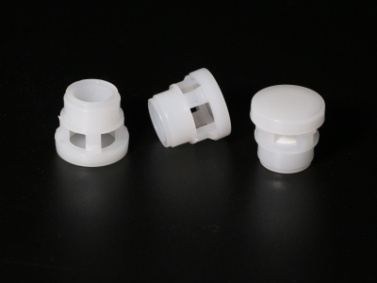
Vent Plug features simple press-in installation, long service life, and easy integration with customer packaging lines. It is particularly suitable for large containers.

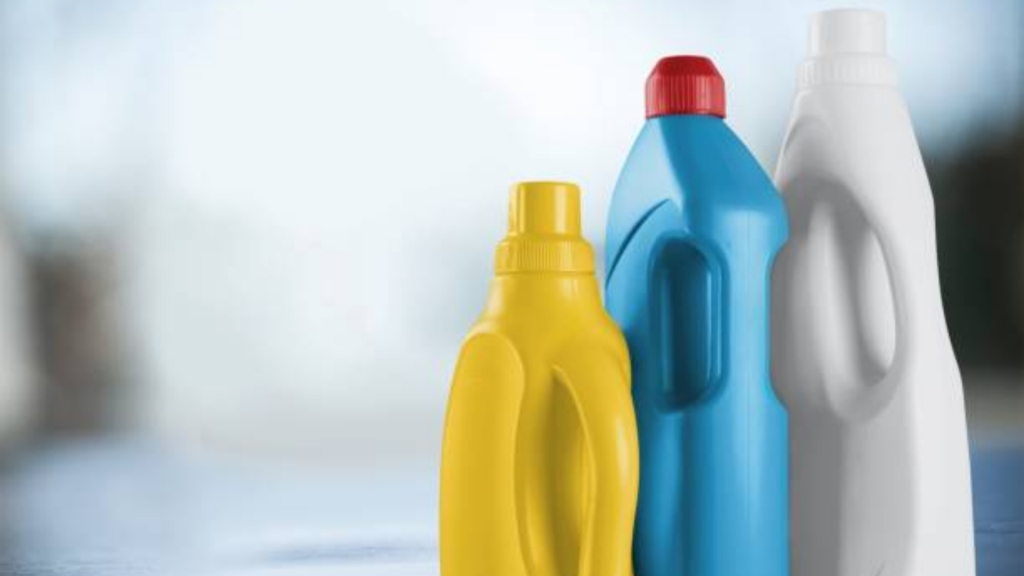
Household chemical products mainly include fragrances, bleach, detergents, and similar items. Many contain corrosive or volatile substances that can cause venting products to fail during transportation, leading to pressure imbalance and container deformation. Changes in altitude and temperature can further exacerbate these issues, resulting in product losses.

For household chemicals, which typically use smaller containers, Spider offers effective venting solutions such as Cap Liners and Venting Membranes to maintain excellent container appearance and safety.

Our Cap Liners include PE Foam Induction Liners and Aluminum Foil Induction Liners, available in various models and customizable to meet client needs. The specially processed membrane surface maintains excellent airflow even with high-viscosity liquids, effectively preventing bottle expansion, contraction, or leakage caused by pressure differences.

Energy 

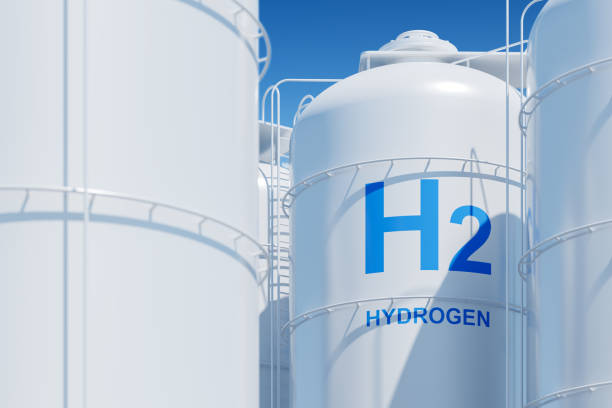
Hydrogen offers a flexible and scalable pathway for the production, storage, and utilization of clean energy. As the world transitions toward hydrogen-based systems, proton exchange membranes (PEM) have emerged as a critical enabling technology, delivering high efficiency, fast dynamic response, and excellent operational flexibility that support seamless integration of sustainable energy solutions.

As a specialized fluoropolymer membrane manufacturer with more than a decade of focused R&D and manufacturing experience, Spider (Xiamen) Technology is committed to providing innovative material solutions that support the global energy transition. Looking ahead, we will leverage our expertise in PTFE/ePTFE membrane development, precision processing, surface modification, and component integration to expand into PEM membranes for hydrogen fuel cells and water electrolysis, helping make large-scale, cost-competitive clean hydrogen a practical reality.

For hydrogen fuel cell technology to compete with conventional energy sources, it must become more widely adopted, produced at greater scale, and available at lower cost. That is our mission going forward.

Telecommunications

Driven by advances in technology and telecommunications, Spider maintains its leadership through rigorous R&D and stringent testing, delivering reliable, high-quality protective vents. We work closely with industry leaders and end users to validate real-world performance, optimize airflow, sealing, and durability, and solve pressure, condensation, and contamination challenges. This focus on innovation produces solutions manufacturers and consumers can trust. Across demanding applications, Spider’s ePTFE vents deliver durable protection, stable pressure equalization, and consistent device performance.

Outdoor telecom equipment—4G/5G base stations, RRUs, small cells, cabinets, and antenna systems—faces rain, dust, salt spray, and rapid temperature swings. Pressure differentials stress seals; condensation can corrode boards and weaken signal reliability. Spider ePTFE vents equalize internal and external pressure, block water and dust (up to IP67/IP68/IP69K), and help reduce condensation so enclosures stay dry and RF performance remains stable.

Realted Products

Biopharmaceuticals & Medical Devices

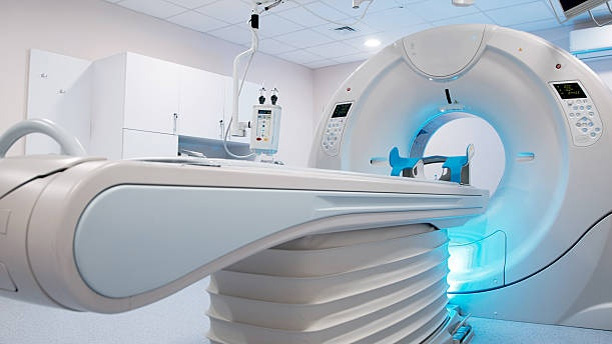
In healthcare equipment and reagent packaging, venting is not optional. Temperature change, filling, and cleaning create pressure differentials. If gas cannot leave and liquid cannot be blocked, seals fail, packages bulge, and moisture reaches the product or the electronics.

Spider ePTFE membranes let air and vapor pass quickly while blocking liquid, particles, and splash. The result is stable pressure, dry interiors, and fewer leaks in devices and packages that must stay closed.

Reagent bottles, IVD kits, and process containers swell or collapse when pressure is trapped.

Common problems:

  • Package swelling or collapse during storage and transport
  • Moisture ingress that affects reagent stability
  • Pressure stress on seals and closures

What Spider solutions do:

  1. Equalize pressure in reagent bottles, diagnostic kits, and process containers
  2. Block liquid and particles while allowing air and vapor to pass
  3. Reduce leakage, deformation, and contamination risk during shipping and storage

Typical uses: IVD reagent bottles, diagnostic kit packaging, chemical and buffer containers, clean-equipment housings.

Analyzers, monitors, pumps, and portable devices heat and cool in use and during disinfection. Without venting, pressure cycles stress seals and cause condensation on sensors and boards.

Common problems:

  • Condensation inside analyzers, monitors, and handheld devices
  • Seal fatigue from repeated pressure changes
  • Water or disinfectant ingress after cleaning

What Spider protective vents do:

  1. Balance internal and external pressure in device housings
  2. Maintain waterproof and dustproof protection during use and cleaning
  3. Help keep sensors, pumps, and electronics dry and reliable

Typical uses: IVD instruments, patient monitors, infusion and diagnostic pumps, surgical instrument cases, wearable and portable medical devices.

Environmental Protection 

Spider degassing membranes help plants reduce corrosion, leakage, and downtime in wastewater, oil & gas, and high-purity chemical processes.

  • In wastewater treatment, membrane contactors remove dissolved oxygen from wastewater, improving treatment performance and lowering operating cost.
  • In oil and gas production, degassing membranes remove oxygen from crude oil and natural gas, extending equipment life and improving safety.
  • In chemical synthesis, lithium battery materials, and nanomaterials, degassing membranes lower dissolved oxygen in solvents and process fluids to protect product purity and stability.

Industrial degassing systems are widely used in wastewater treatment and oil and gas production. By removing dissolved oxygen from wastewater, crude oil, and natural gas, they improve treatment efficiency, extend equipment life, and improve system safety.

Common problems:

  • Dissolved oxygen causes severe corrosion of pipes and equipment.
  • Wastewater treatment efficiency drops and energy consumption rises.
  • Oxidation in oil and gas systems accelerates and increases safety risk.

Main functions:

  1. Highly efficient dissolved oxygen removal: rapidly reduces oxygen in wastewater, crude oil, and natural gas.
  2. Corrosion protection: reduces oxygen corrosion and extends the service life of pipes, pumps, valves, and equipment.
  3. Improved efficiency and safety: improves wastewater treatment results, lowers energy use, and supports stable, safer oil and gas operations.